The Golf Swing and the Stock Market: The Art of Discipline, Timing, and Patience
At first glance, the game of golf and investing may seem worlds apart. While one unfolds across a manicured landscape, the other plays out amid digital screens of financial data. Yet beneath the surface, the two share a striking resemblance. Both demand discipline, patience, and a mastery of emotion — and in both, success is less about luck than it is about proven process.
Perfecting a golf swing is a lifelong pursuit. It’s not about brute strength or flashy style, but about consistency — the ability to repeat a motion under pressure. The investor faces the same challenge. Anyone can have a great investment or a lucky putt, but sustained performance requires developing habits that minimize error and maximize repeatability. The best golfers spend years building muscle memory; the best investors spend years refining discipline and process.
With my recent purchase of an in-home golf simulator, I can now analyze my golf data as well – by tracking swing speed, club path, launch angle, and spin rate. But keep in mind to not get lost in just the numbers, use them to refine the feel of your swing. Similarly, I have been investing since 1993 by using earnings reports, economic indicators, and technical charts to get a feel for an investment. But the data is only valuable if interpreted correctly and balanced with intuition developed through experience. In both cases, feedback is essential and every shot and every trade, win or lose, provides information for the next one. A golfer who lets frustration from a bad hole carry into the next will spiral into negative thought. Likewise, an investor who reacts emotionally to a previous market loss will likely be fearful on the next investment. Both must learn to separate emotion from execution. A calm and rational state of mind allows one to follow a plan even when conditions are volatile. The goal is not to avoid risk altogether, but to take it when the odds are favorable. In both domains, reckless aggression leads to disaster, while calculated courage brings reward.
In conclusion, the golf swing and the market share a timeless lesson: mastery lies in process, not prediction. There will always be days when the wind shifts or the market turns against you. What matters is how you respond — with patience, discipline, and an unwavering commitment to refinement. Just as every great golfer learns to trust the swing they’ve built, every great investor learns to trust the strategy they’ve designed. Perfection may be impossible in both golf and investing, but progress is inevitable for those who treat each misstep as a lesson and every round — or trade — as a chance to get a little closer to mastery.
For a discussion and presentation describing my process and strategy, feel free to reach out to me.
© 2025 Sam Shehu. www.SamShehu.com; All rights reserved.
🔐 Liability Reduction for Financial Advisors
❗ Why Advisors Are at Risk
If an advisor regularly works with only one spouse:
- The uninvolved partner may later claim they didn’t agree to key decisions.
- This can lead to:
- Breach of fiduciary duty claims
- Regulatory complaints (e.g., SEC, FINRA)
- Civil lawsuits — especially after death, divorce, or market loss
- In a post-crisis or death-of-client scenario, survivors may accuse the advisor of being negligent, dishonest, or manipulative.
✅ Best Practices to Mitigate Advisor Liability
| Practice | Benefit | How It Helps |
| 👫 Include both spouses in all planning meetings | Full transparency | Reduces claims of ignorance or coercion |
| 📝 Document spousal attendance and participation | Legal protection | Provides a paper trail in case of disputes |
| 📩 Send summaries to both partners | Equal access | Ensures both parties see key recommendations |
| 🧠 Encourage shared financial literacy | Empowerment | Prevents one spouse from relying solely on the other |
| 🔄 Use confirmation emails or signatures | Informed consent | A record that both agreed to strategy changes |
| 🧑⚖️ Avoid taking direction from only one spouse for major moves | Risk containment | Ensures both parties buy into large transactions |
| 🔍 Ask discovery questions to both partners | Balanced planning | Helps align goals and detect hidden issues |
| 🗓️ Schedule periodic reviews with both spouses | Prevent drift | Keeps both informed as plans evolve over time |
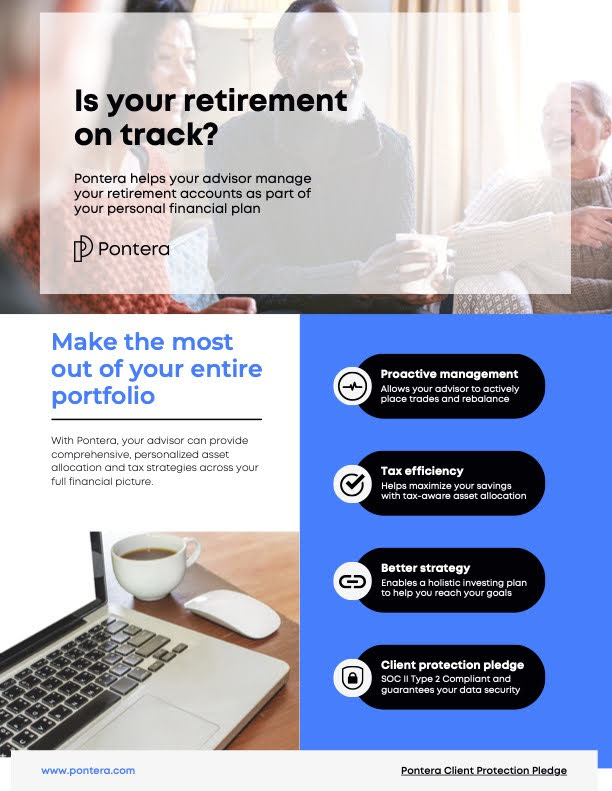
One of the best NEW and innovative financial services I have seen in 30 years.
Finally able to advise and manage an employer sponsored retirement plan (401k, etc.) while someone is still working.
 SHEHU ASSET MANAGEMENT, LLC